CDMO Service
What we do
CDMO Service
More-bio is your reliable CDMO partner for safe and reliable development and manufacturing of high-quality APIs, Protease, Therapeutic Cells, and Specific Proteins. We provide comprehensive services in every stage of drug development and manufacturing, enabling efficient drug development from laboratory to market. Our CDMO/CMO offers key services.
GMP Capacity
Advanced Manufacturing
Quality Assurance

Quality Control
Stability Analysis

Project Management
our practice
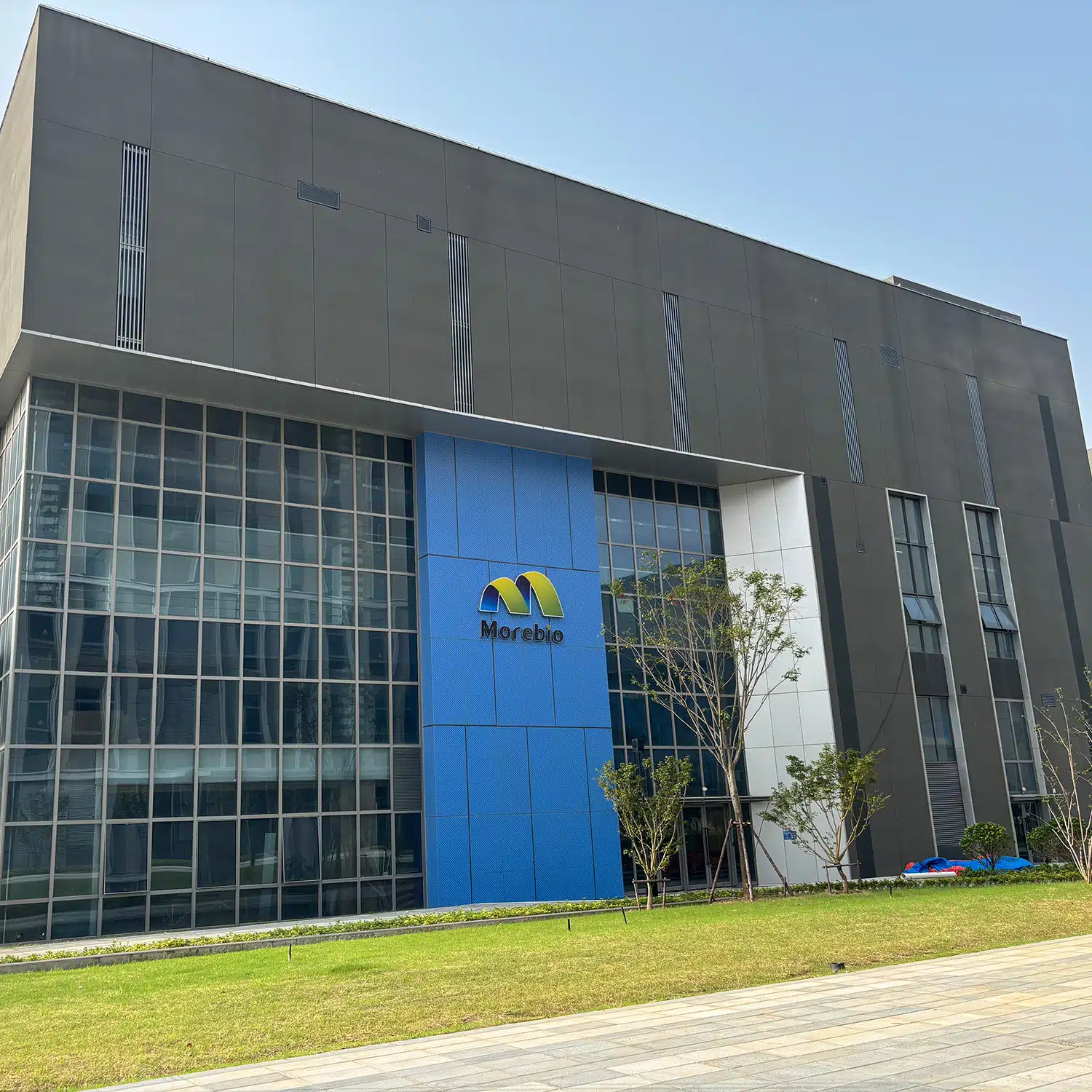
GMP Certificate
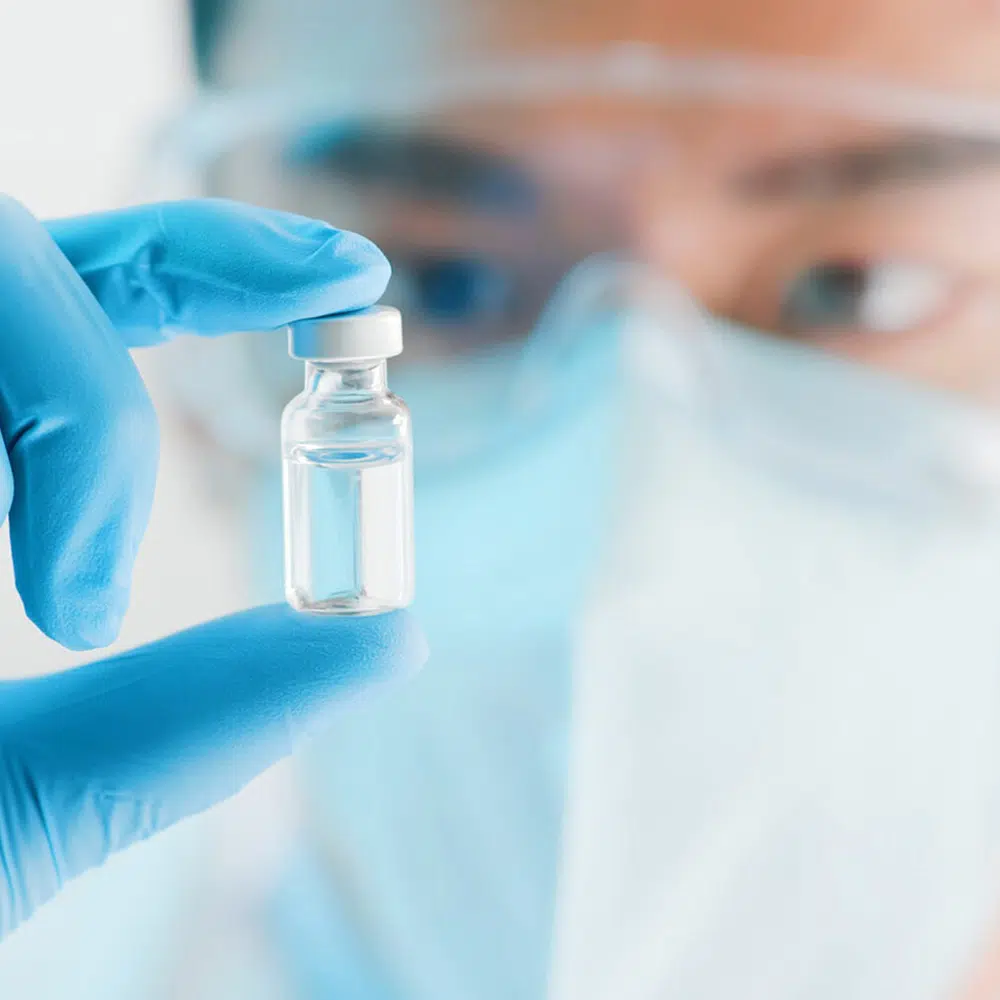
Morebio has the GMP (Good Manufacturing Practice) certificate, this ensures our pharmaceutical products are consistently produced and controlled to quality standards during manufacturing, processing, packaging, and storage.
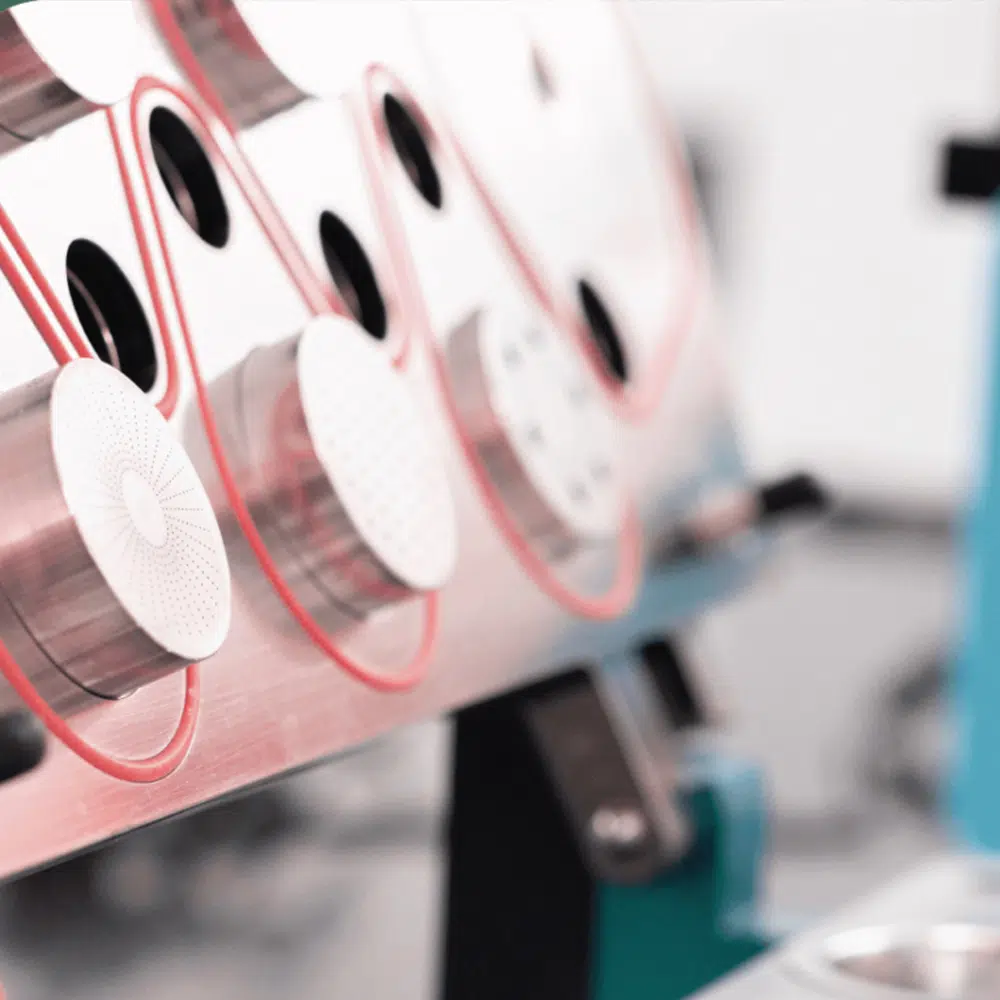
Our multidisciplinary team provides GMP grade API and biologic production with market-leading expertise and state-of-the-art equipment.
US -FDA
DMF Certificate
Morebio achieves the FDA-DMF certificate for Semaglutide API (039115), Semaglutide Main Chain (039480).
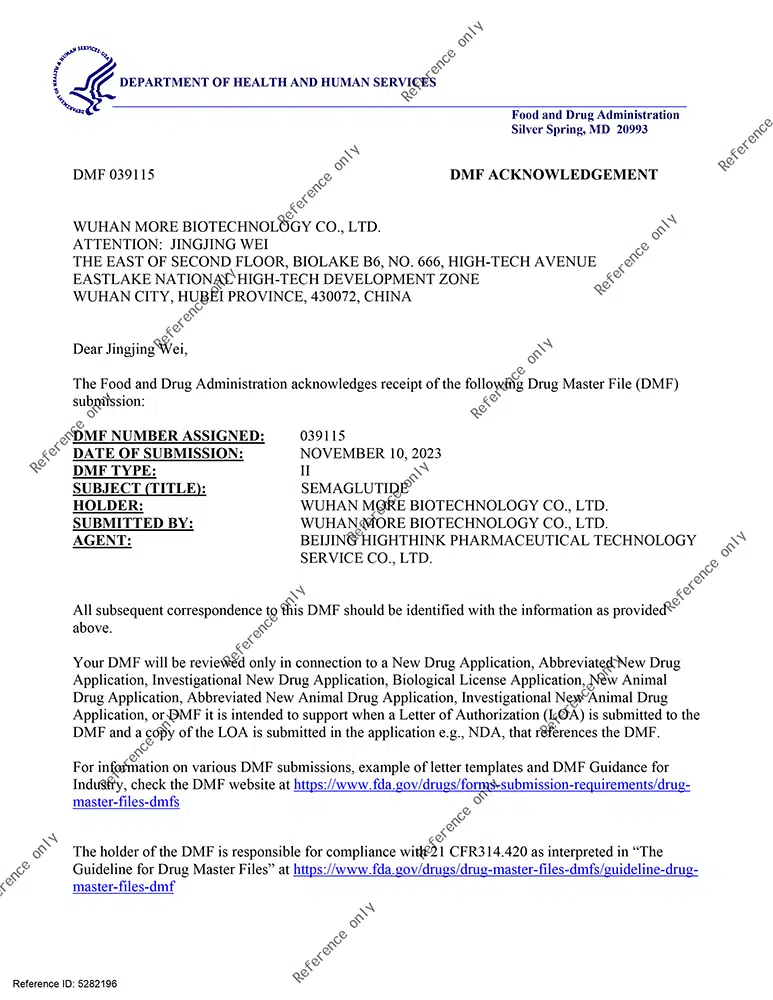
Semaglutide API
DMF 039115
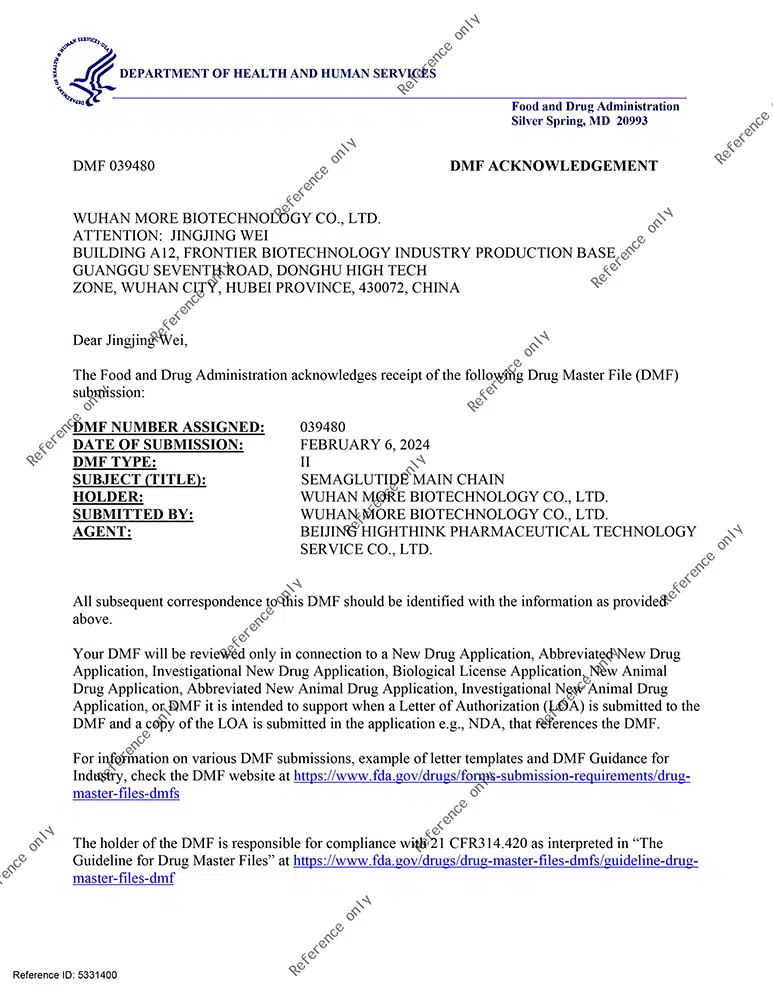
Semaglutide Main Chain
DMF 039480
our team
Technical Professionals
Morebio has the top genetic engineering and cytology technology team. Our core technical experts are:

Dr. Huimin Hou
CAE Academician
Formulation Expert
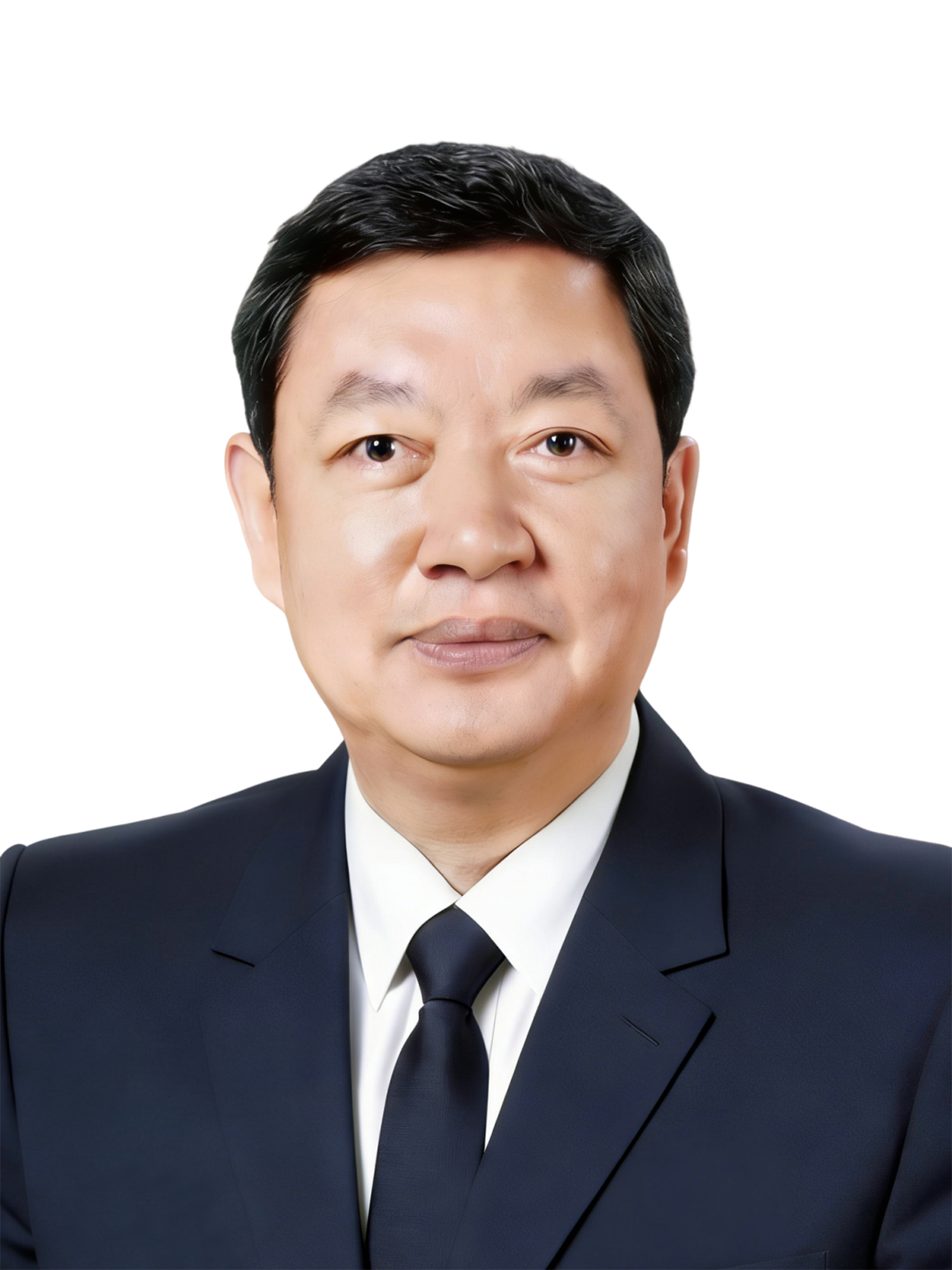
Dr. Xiaobing Fu
CAE Academician
NAE Member
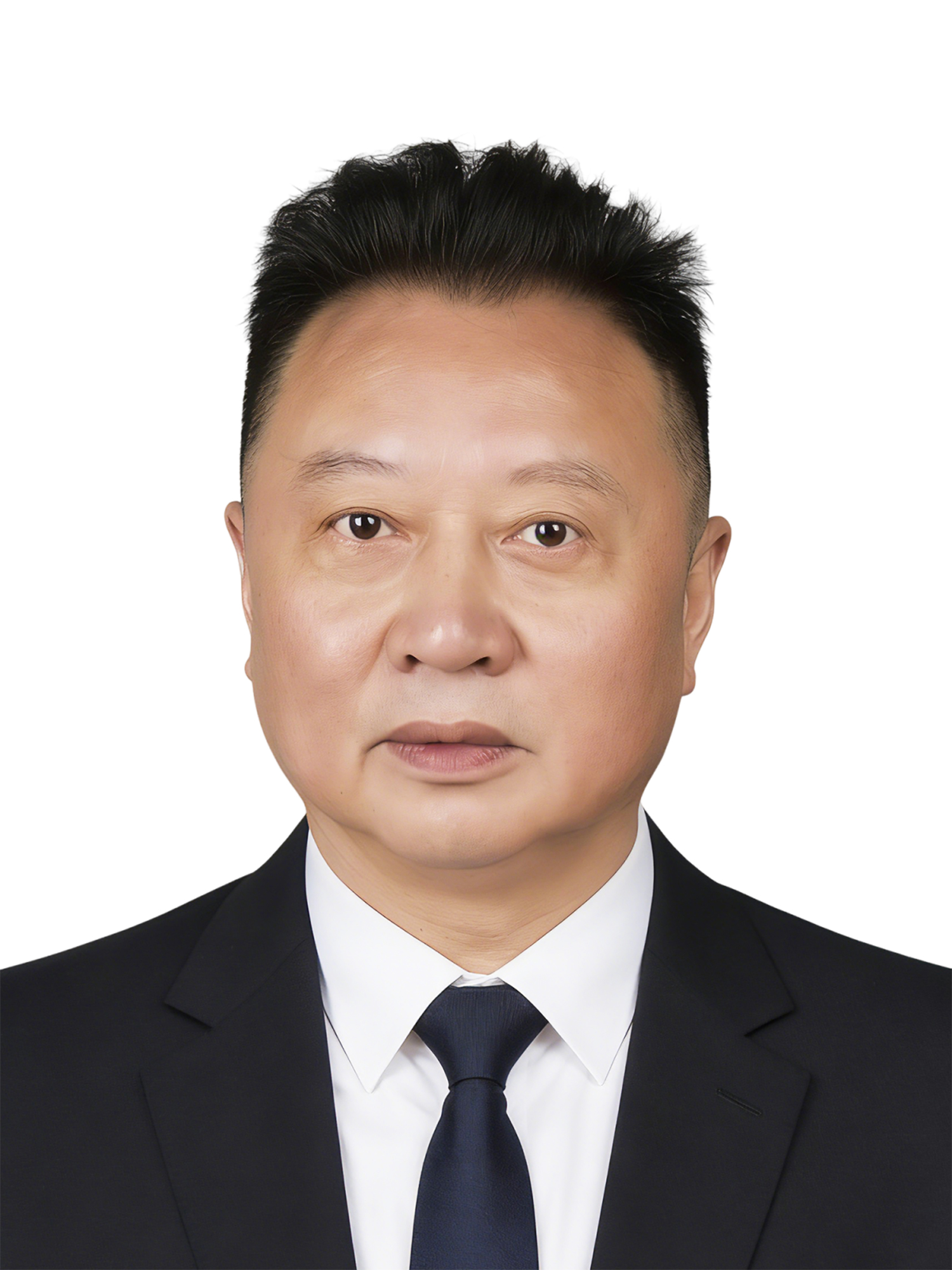
Dr. Zesheng Wang
President
Novel Drug Technical Expert

Dr. Wenxin Li
Virologist
Professor of Virology
Premium Service
Generic API
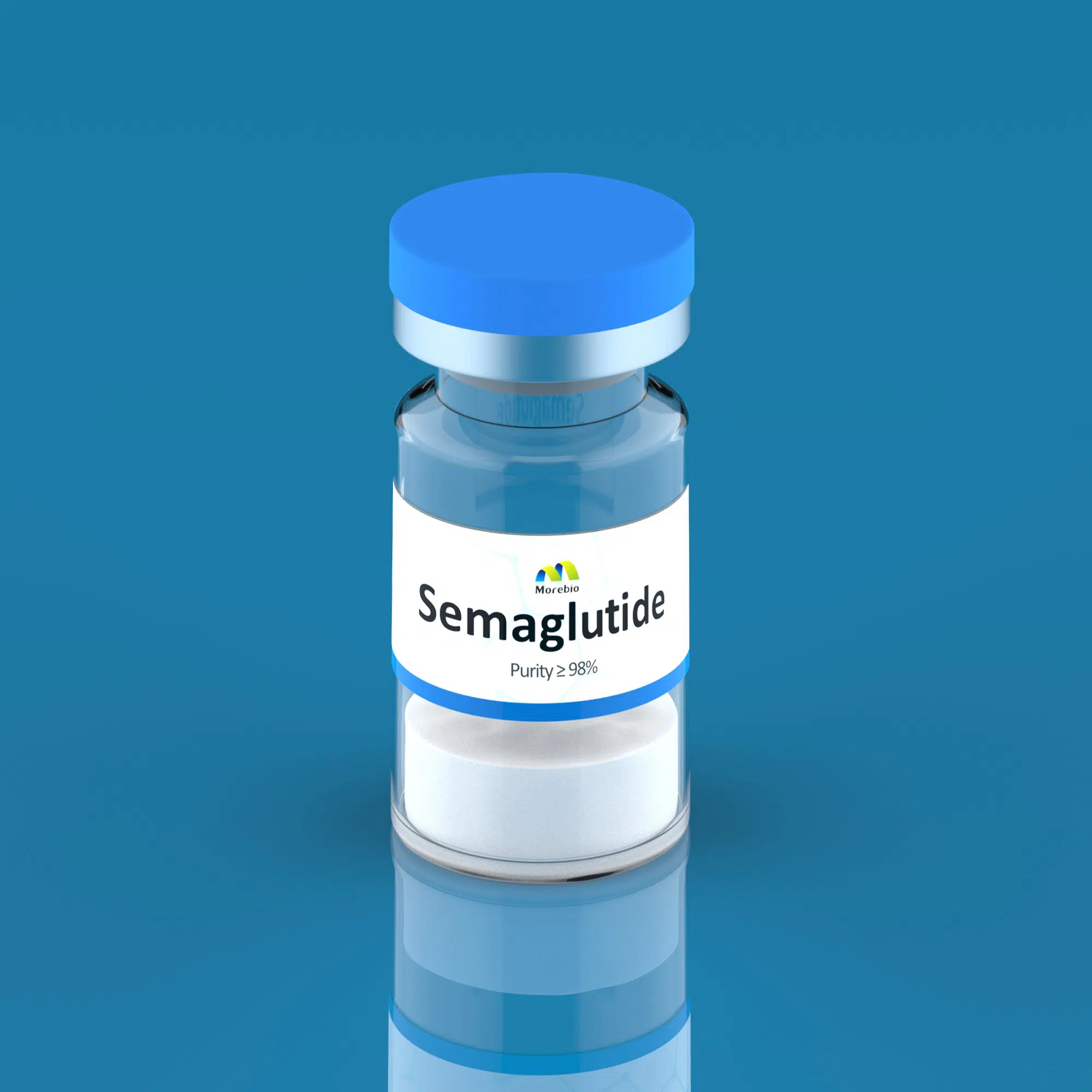
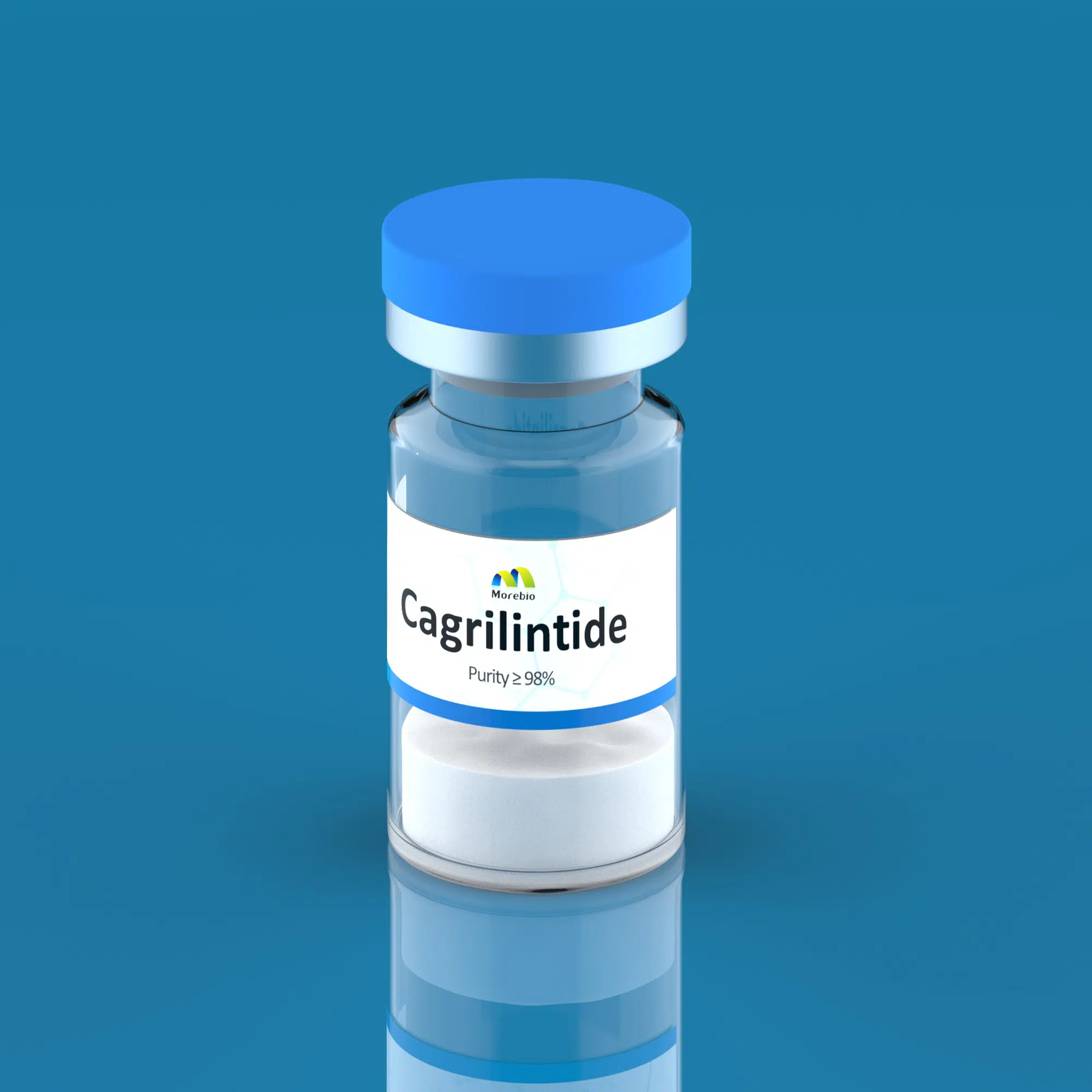
Our generic APIs are specialized in GLP-1 RAs and related intermediates. These generic APIs are utilized for treatment of diabetes, obesity.
Semaglutide
Cagrilintide
CagriSem
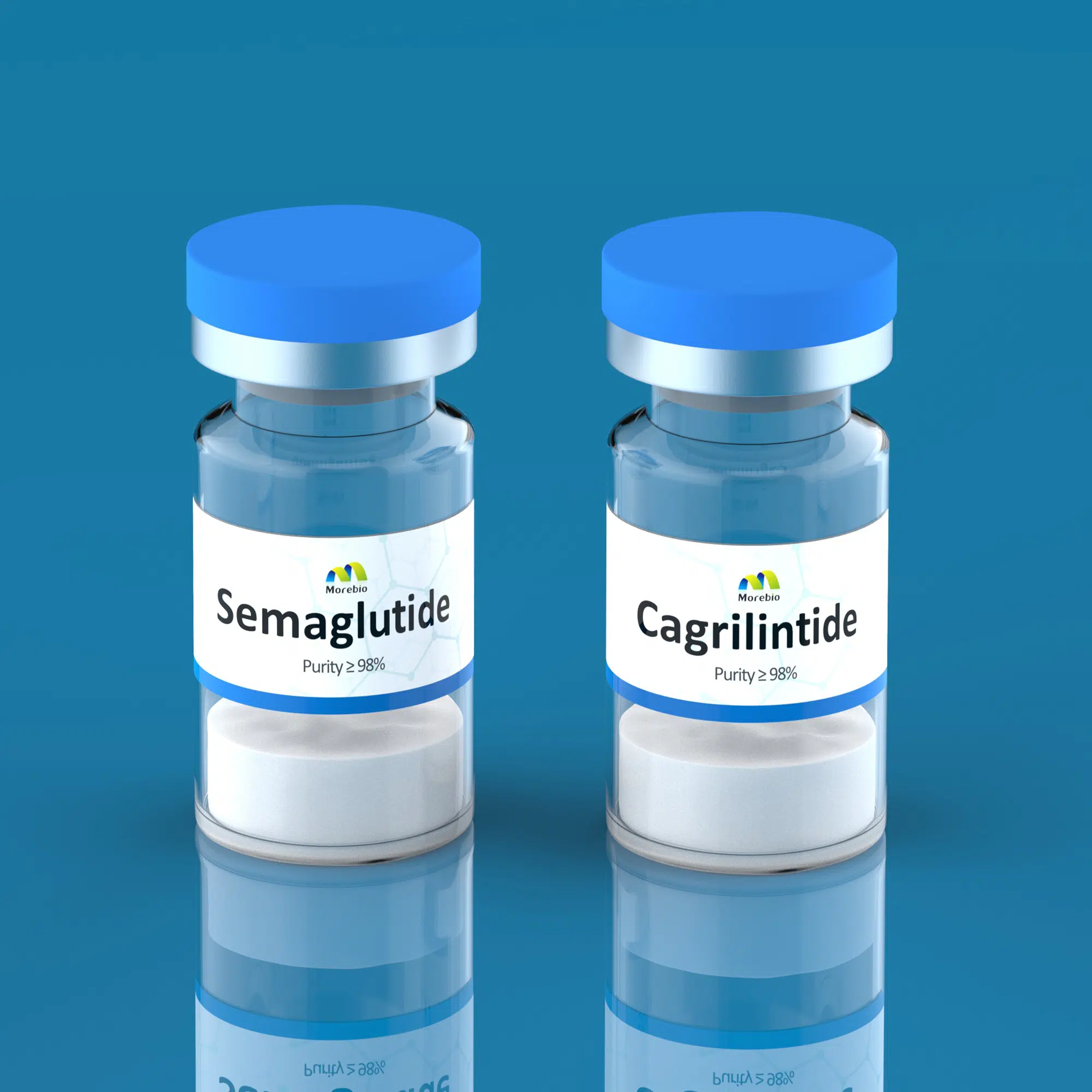
GLP-1 RAs
Beinaglutide
Dulaglutide
Exenatide
Lixisenatide
Premium Service
Cellular Therapy
At Morebio, we focus on cellular therapy research and clinical applications for cancer and other conditions. Our main products in cellular therapy include:
MSC
Exosome
NK Cell
CAR-T Cell
Premium Service
Recombinant Protease
Proteases are indispensable tools in biotechnology, medication, and research. Whether recombinant protein processing, disease mechanism studying, or novel drug development, fundamental protein breakdown. Morebio provides high-quality proteases with precision and reliability for the wide range of experimental requirements.
Morebio has the current protease production in both prokaryotic and eukaryotic expression systems. In prokaryotic systems, E.coli is the predominant host. While Yeasts are the commonly used in eukaryotic systems.
Kex2
Trypsin
rEK
CPB
Aprotinin
Lys-C
PNGase F
Kallikrein-1
SUMO
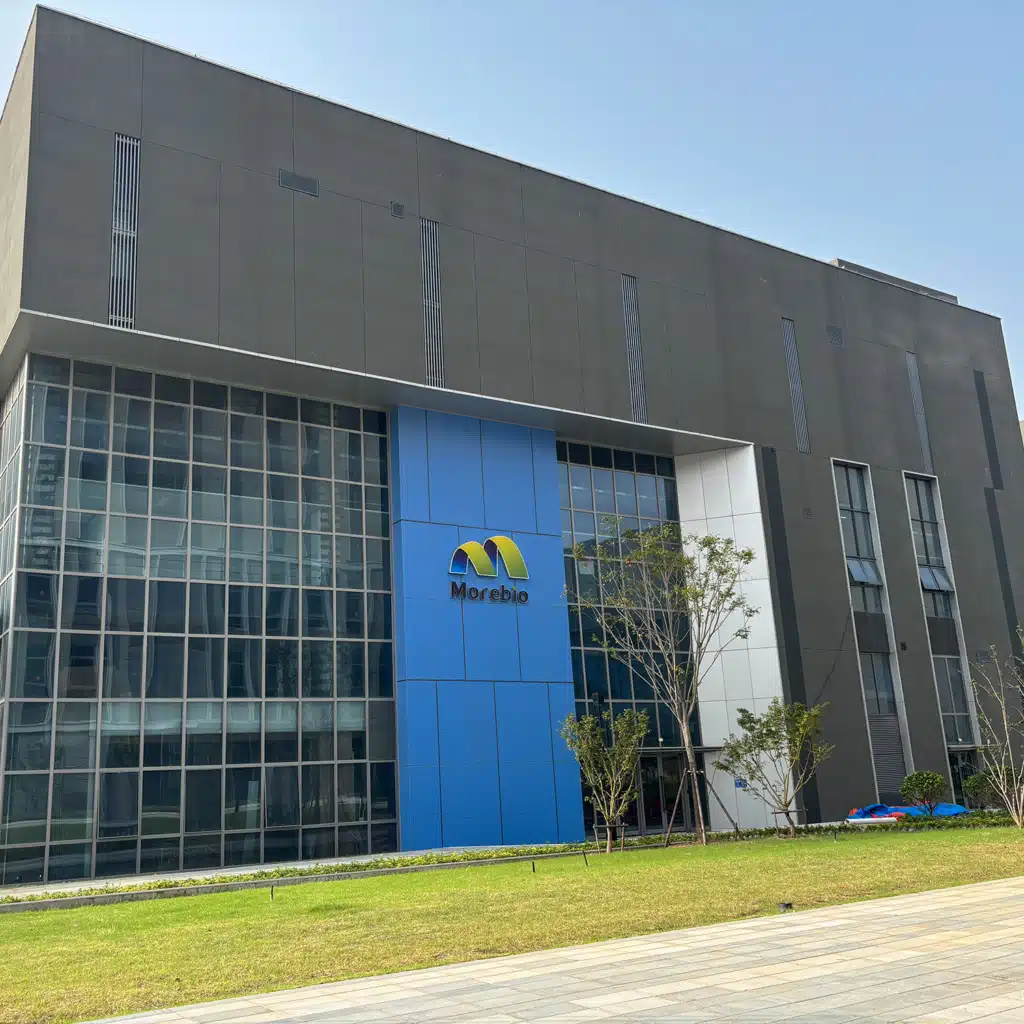
Premium Factory
Advanced Equipment
Morebio has the advanced equipment and facilities for global CDMO service. Our main equipment includes:
- Multiple Fermentation Reactor
- German GEA Centrifuge
- Industrial High-pressure Liquid Chromatography
- High-Efficiency Freezing Drier
- Drug Production Workshop
- Cell Research&Development Center