Mesenchymal Stem Cell
Premium Cells
MSC
Mesenchymal stem cells (MSCs) are also referred to as mesenchymal stromal cells, multipotent signaling cells, and mesenchymal progenitor cells. MSCs are multipotent stromal cells that can differentiate into various cell types, including osteoblasts (bone cells), chondrocytes (cartilage cells), myocytes (muscle cells), and adipocytes (fat cells, which give rise to marrow adipose tissue).
The primary function of MSCs is secreting and recruiting different biological factors, responding to injuries and infections, and modulating inflammatory processes to facilitate tissue repair and regeneration.

GMP Capacity

Advanced Manufacturing

Quality Assurance

Quality Control

Stability Analysis

Project Management
Premium Cells
Final Function
Differentiation Capacity
MSCs have great self-renewal capacity with multipotency, β-catenin is a central molecule in maintaining the stemness via regulation of EZH2. the standard multipotency is differentiation of cells into osteoblasts, adipocytes and chondrocytes as well as myocytes.
Immunomodulatory Effects
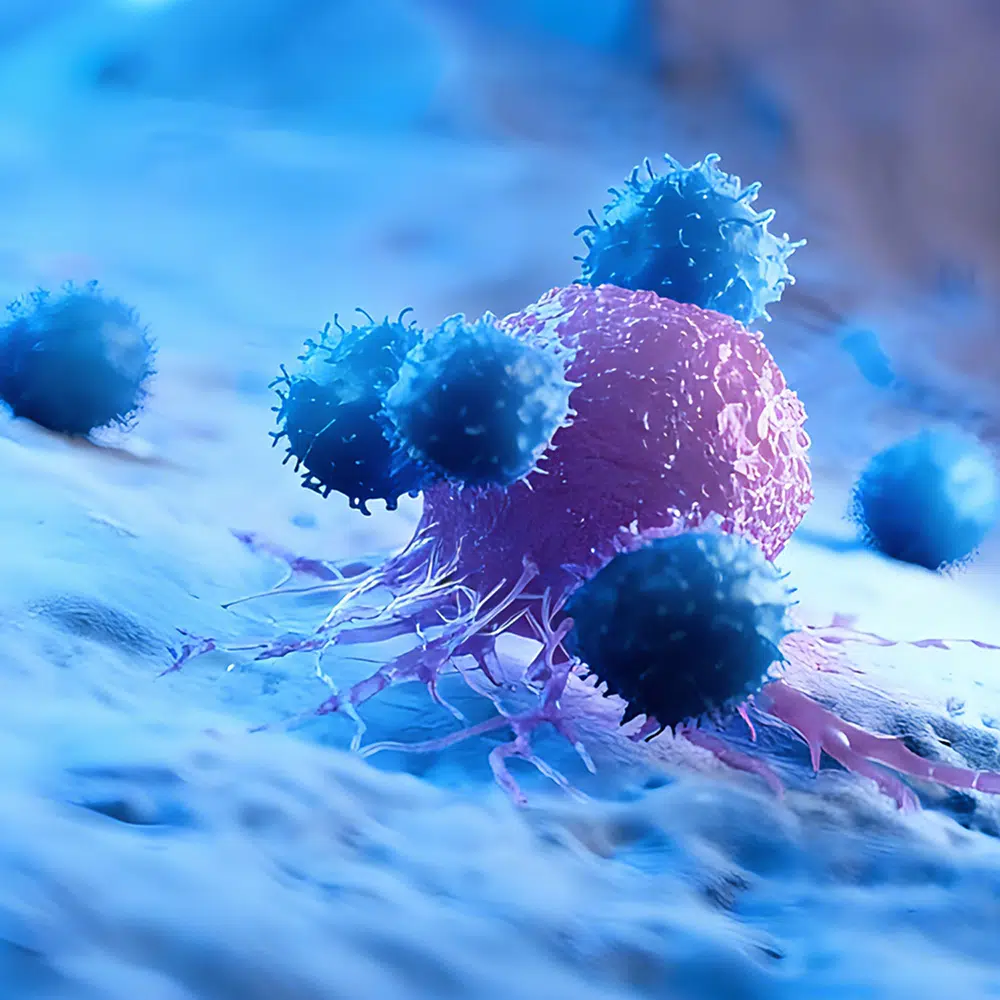
MSCs have effects on innate and specific immune cell, and suppress tumor growth. They can produce different immunomodulatory molecules, including: prostaglandin E2 (PGE2), nitric oxide, indoleamine 2,3-dioxygenase (IDO), interleukin 6 (IL-6), and other surface markers.
Antimicrobial Properties
MSCs can affect macrophages, neutrophils, NK cells, mast cells, and dendritic cells in innate immunity.
Cell Application
Clinical Applications
MSCs are applied in different clinical investigation for diseases treatment, particularly in autoimmune diseases, graft versus host disease, Crohn’s disease, multiple sclerosis, systemic lupus erythematosus and systemic sclerosis.
MSCs can produce several antimicrobial peptide(AMPs), such as human cathelicidin LL-37,[46] β-defensins,[47] lipocalin 2[48] and hepcidin. All these peptides and IDO are responsible for the broad-spectrum antibacterial activity of MSCs.
The MSCs can produce a large number of soluble or vesicle-bound growth factors ,cytokines, mRNAs.